
The Microphone's Gaze
A field recording that listens through tourism’s frame.
Recorded in November 2024 at various locations across southern Thailand. Edited, mixed and mastered in Sleepy Hollow, New York in early 2025. Cover art by Katie Morris.
Each morning I listen for gibbons—not in the forest, but at the edge of the helipad, frogs chanting low from a ditch. Cicadas unravel the edges of the forest, their oscillations spin a nightmare. Engines crawl up the mountain's spines.
From the liner notes
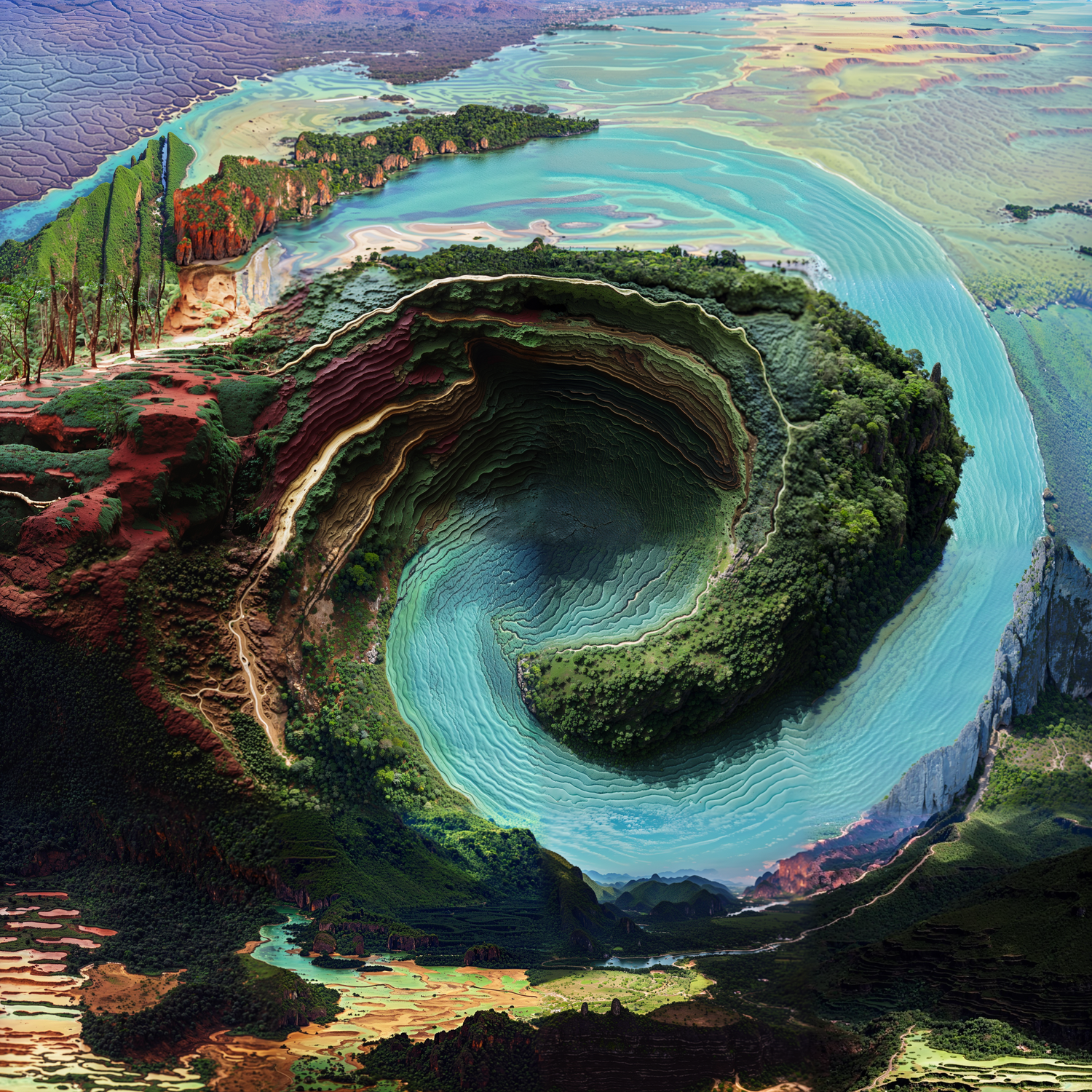
Thailand
If field recording operates within the structures of tourism - framing, selecting, and producing place - then Thailand offers a particularly charged setting in which to examine that dynamic. It sits uneasily within the frameworks we use to understand listening and presence. It is not a passive backdrop, not easily othered, and fully aware of the systems that bring in visitors.
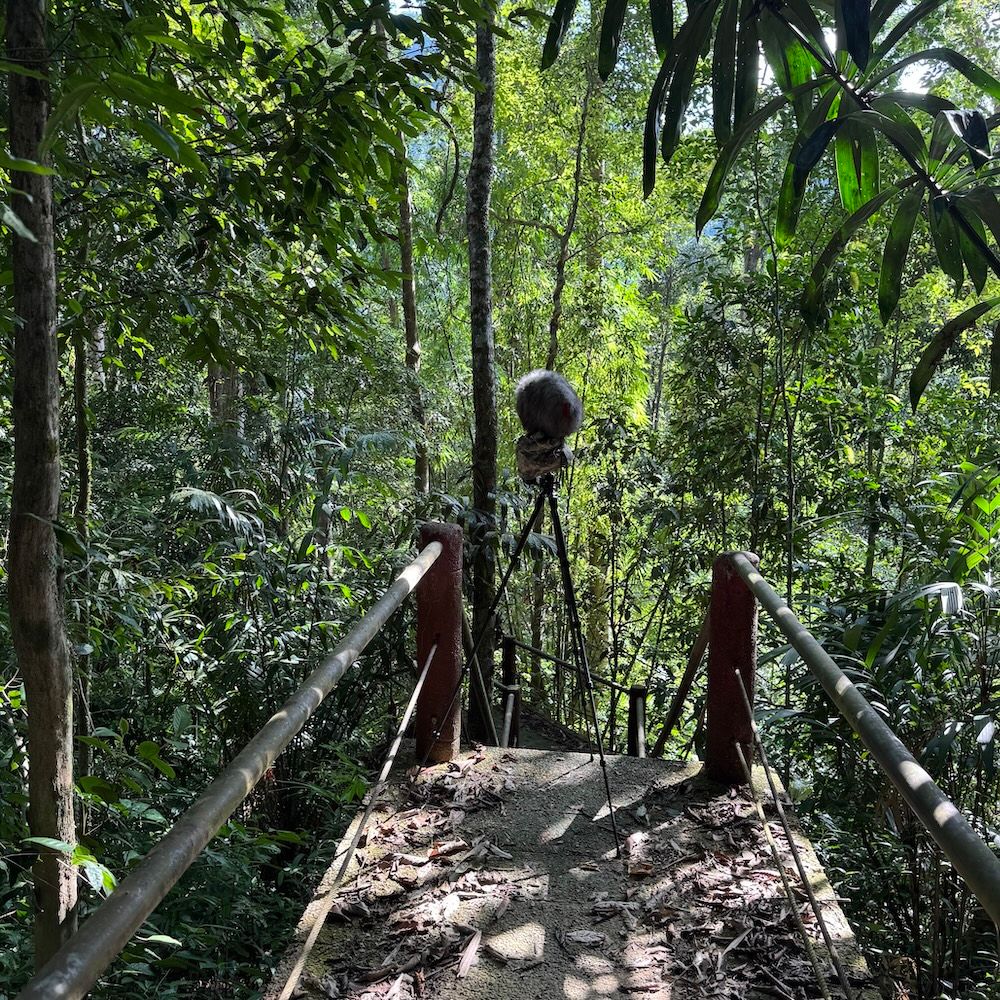
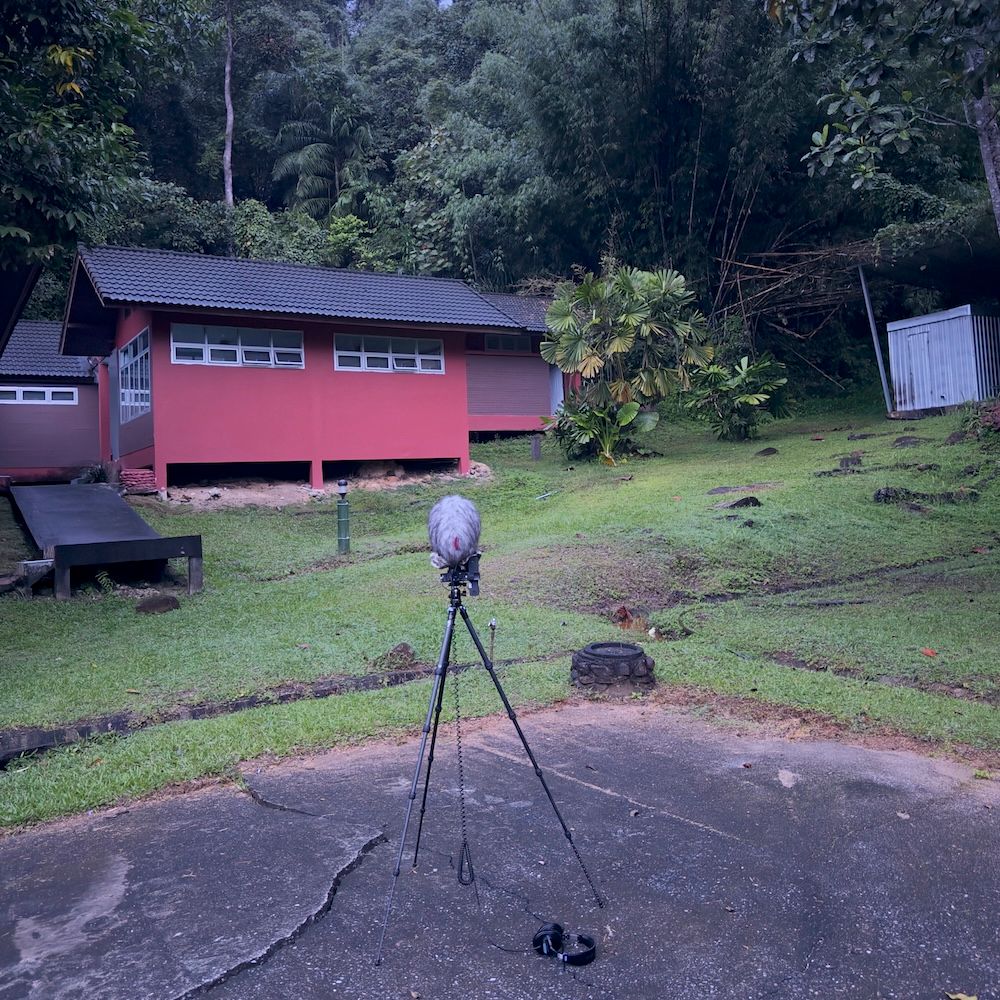
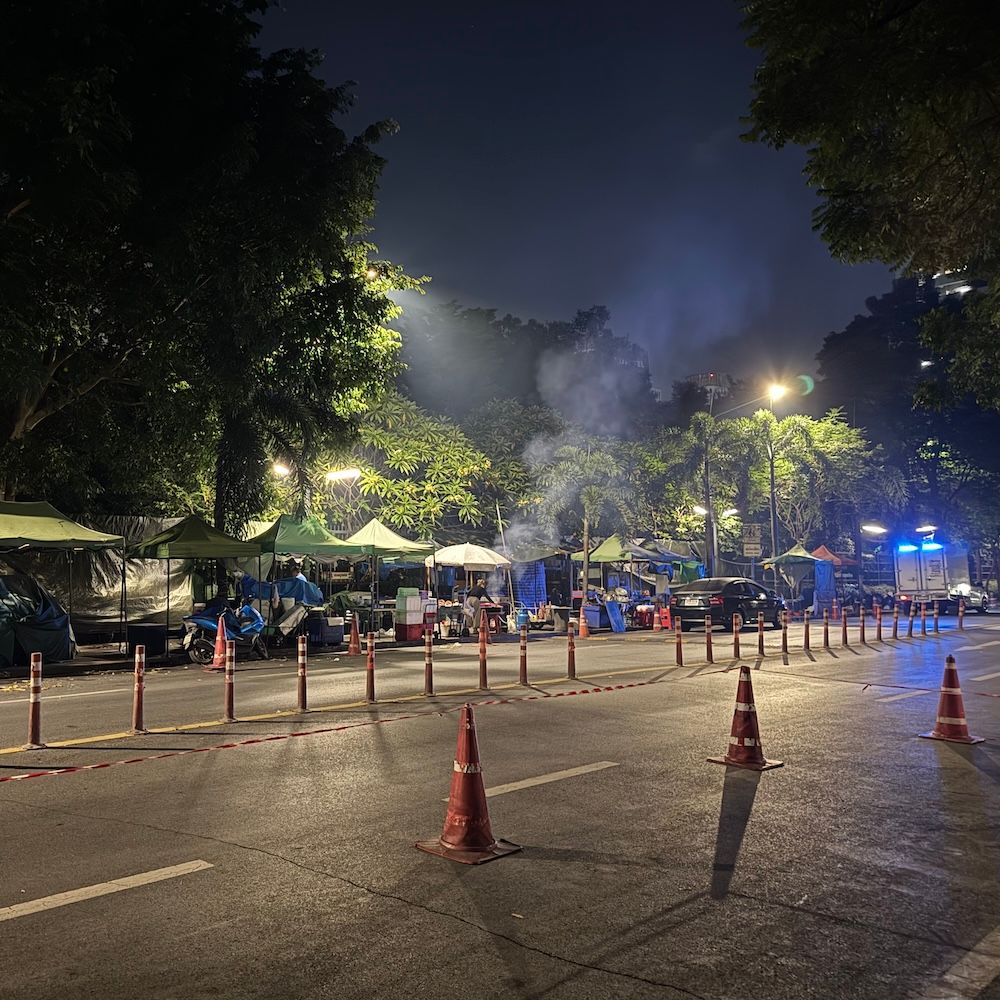
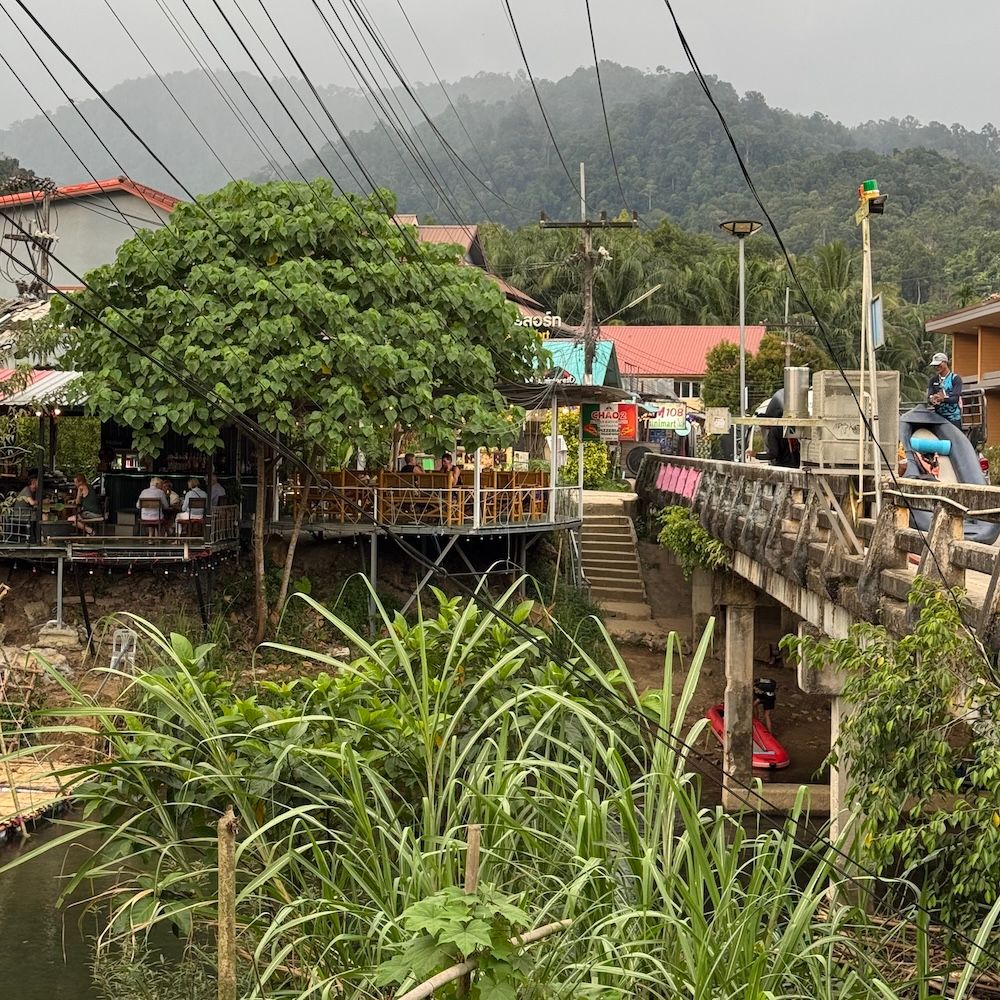
The recordings made in Thailand reveal a density of ecological, cultural, and acoustic layers that complicate the act of field recording itself. It’s a place already shaped by tourism, already rehearsed for encounter. What I recorded wasn’t hidden or untouched, it was proximate, partial, and contingent. These recordings are shaped as much by timing, logistics, and access as by intention. Thailand, in this light, becomes less a subject than a setting where we stay with the trouble of field recording: the tension between presence and framing, movement and attention, expectation and encounter.
Why Record?
Perhaps this question is a natural outcome of decades of practice, collaboration, writing and critical reflection. A sort of semantic saturation, a ritualization, that pushes towards a loss of meaning. Or maybe its the result of one too many perfected drop rigs that has offloaded the need to attend. A noticing that in the technological sophistication of recording the field, we have converged on something that more closely resembles surveillance.
Maybe this question settles out from an understanding of our origin story in the salvage paradigm of late 19th century anthropology. A colonial legacy that is reflected back at me whenever I put microphones between myself and the foreign field. There are moments when it would seem I am enacting the script of “gringo yahoo travels the globe in search of exotic artifacts, adventure ensues”. A potent mix of western pop-culture history bending, good fortune of access and a strong sense of entitlement. We can just do things.
There is a specific critical interpretation of this reflection which would imply “pressing stop” as an appropriate response. A form of refusal meant to disrupt the perceived power dynamics, to slow the conversion of experience into content, or to put a stick in the eye of surveillance capitalism. Over the last couple of years, this interpretation seemed to me the only way forward. However, you can’t fully exit the system you critique and doing so brings us no closer to understanding why we record.
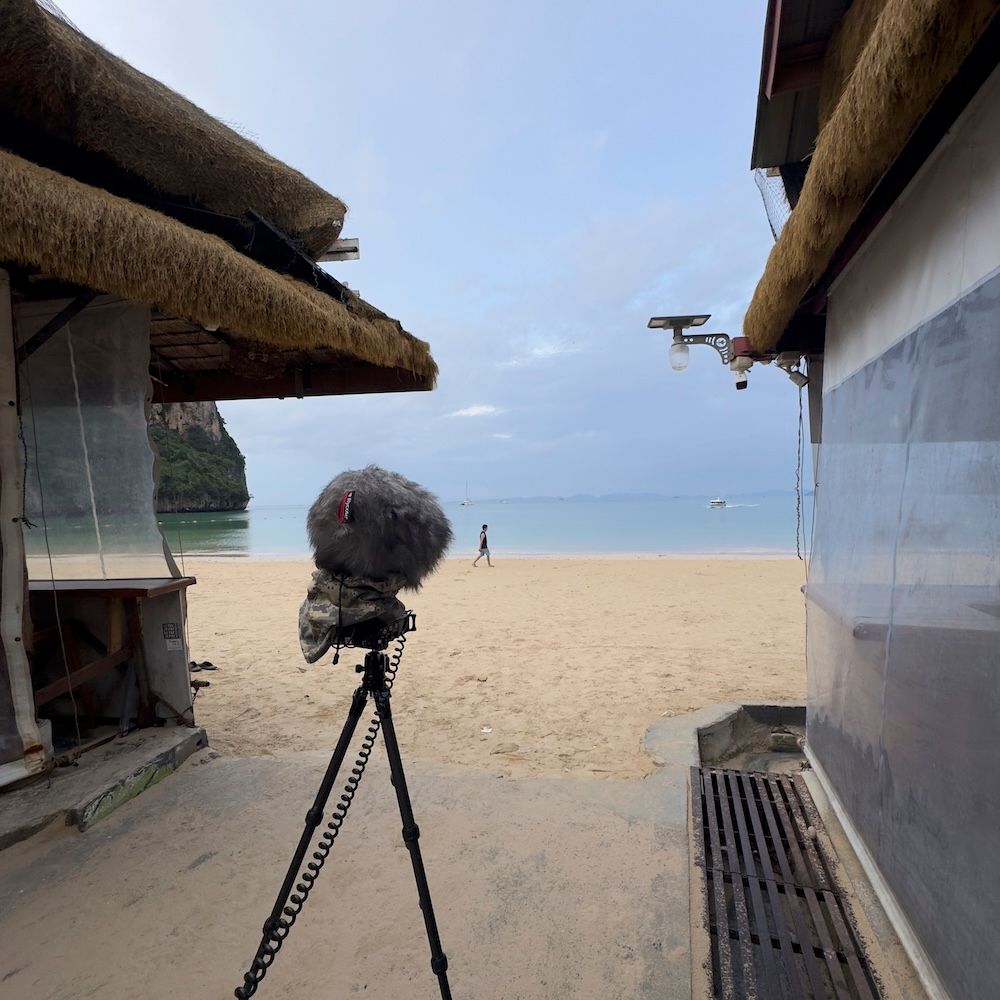
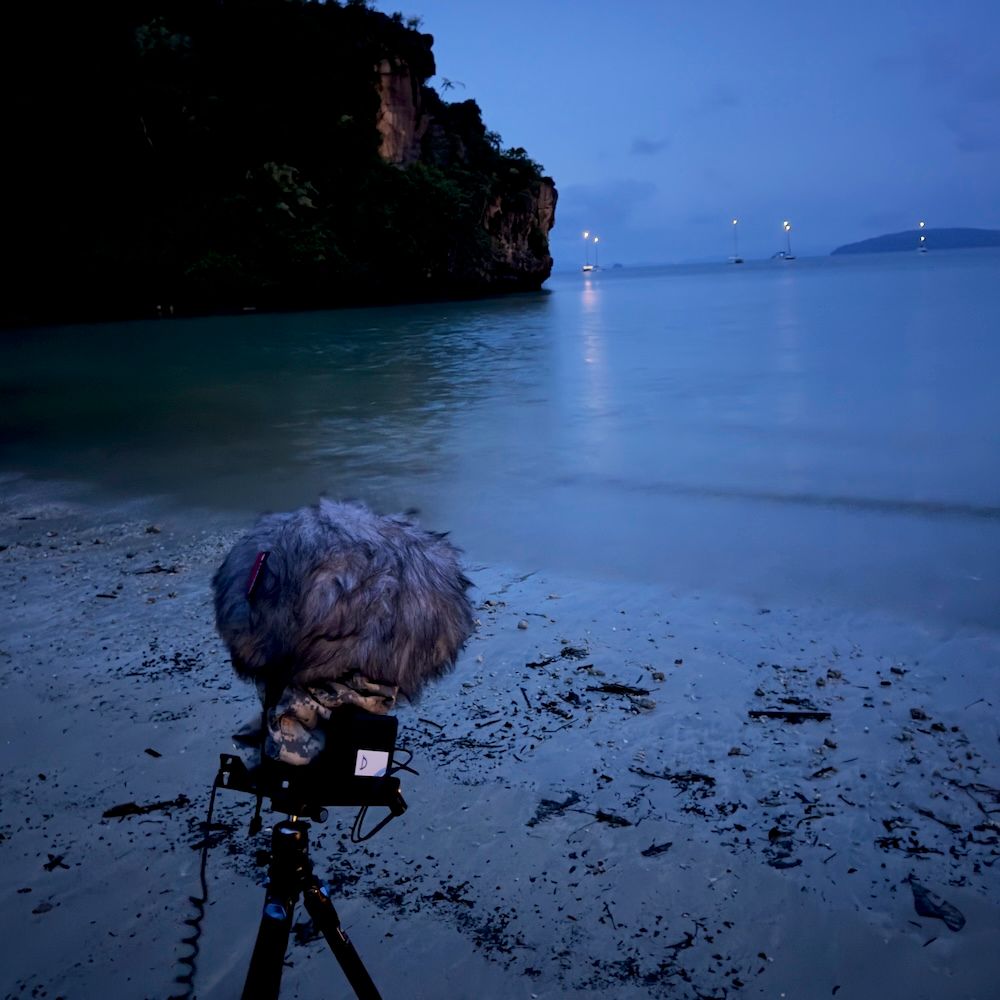
Tourism
One way to understand field recording in the 21st century is both as a ritual bound up with tourism as well as the driver of a particular kind of tourism. Even before we press record, the practice itself seeks a type of touristic experience and, in doing so, creates tourist attractions - sites valued for their soundscapes. The recording becomes both the justification for the journey and the artifact that affirms the value of the place. The microphone’s gaze orders, shapes and classifies. It listens with interest and curiosity, selecting what is worth hearing, turning place into content to be consumed by audiences located elsewhere. This content, in turn, shapes the expectations of future recordists, mapping out where and how to listen.
Tourism provides a useful framework for understanding the practice and products of field recording. It accounts for the lingering presence of the colonial script and helps articulate the more complex realities of contemporary encounters, where the roles of visitor and host are not always clearly defined. What might seem like a straightforward act of extraction is often shaped by subtle negotiations, mutual performances, and layered asymmetries.